
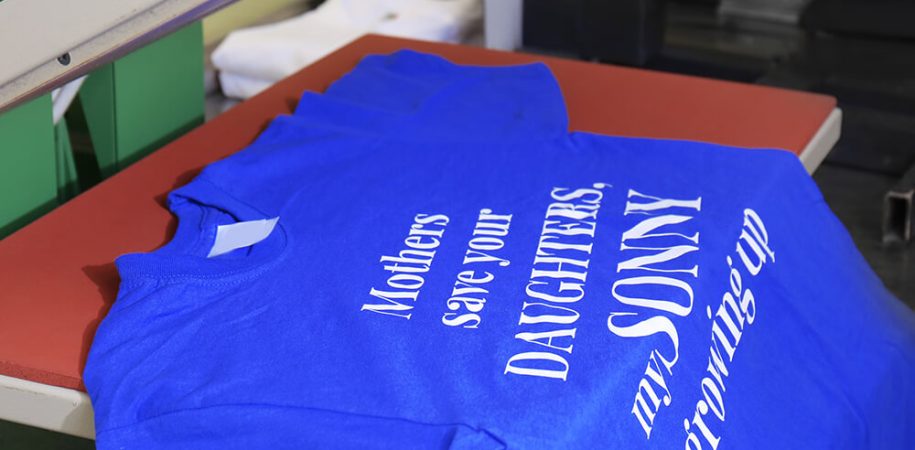

Printing personalized T-shirts is an exciting way to express individuality, promote a brand, or commemorate special occasions, and with the right approach, anyone can achieve professional-quality results. The process begins with selecting the appropriate T-shirt material, such as cotton, polyester, or a blend, depending on the intended use—cotton offers comfort and breathability, while polyester blends are ideal for athletic wear due to their moisture-wicking properties. Next, choose a printing method that suits your budget and design complexity: screen printing is cost-effective for large batches with simple designs, while direct-to-garment (DTG) printing allows for intricate, full-color images on smaller runs. Heat transfer vinyl (HTV) is another option for detailed cuts or lettering, offering durability and a premium feel. Each method requires specific equipment and preparation, so researching your needs is crucial before starting.
Once the method is decided, the design phase is where creativity shines. Start by sketching your idea or using graphic design software like Adobe Illustrator or Canva to create a digital file. Ensure your design is high-resolution (at least 300 DPI) to avoid pixelation, and consider color schemes that complement the T-shirt fabric—dark designs pop on light shirts, while light designs work best on darker backgrounds. Collaboration with a professional printer or designer can refine your concept, ensuring it translates well onto fabric. After finalizing the design, prepare it according to your chosen printing technique—screen printing requires separating colors into layers, while DTG needs a printable file format like PNG with a transparent background. Testing the design on a sample shirt helps identify any adjustments needed for alignment or color accuracy.
The printing process itself involves several steps to ensure quality. For screen printing, a mesh screen is coated with a light-sensitive emulsion, exposed to your design, and used to apply ink layer by layer onto the T-shirt. DTG printing uses an inkjet printer to directly spray ink onto the fabric, requiring pretreatment for better ink adhesion on darker shirts. HTV involves cutting the design from vinyl, weeding out excess material, and using a heat press to transfer it onto the shirt. After printing, curing or heat-setting the ink is essential to prevent fading or cracking during washing—typically done with a heat press or conveyor dryer. Finally, care instructions should be included with the T-shirt, advising customers to wash inside out in cold water to preserve the print. With practice and the right tools, printing personalized T-shirts becomes a rewarding venture for personal projects or profitable business opportunities.